
3 min read · Jun 30, 2026
Filling the Room When Nobody Knows You
Where your first fifty guests actually come from, and which invites are worth the effort.
The Konviva team
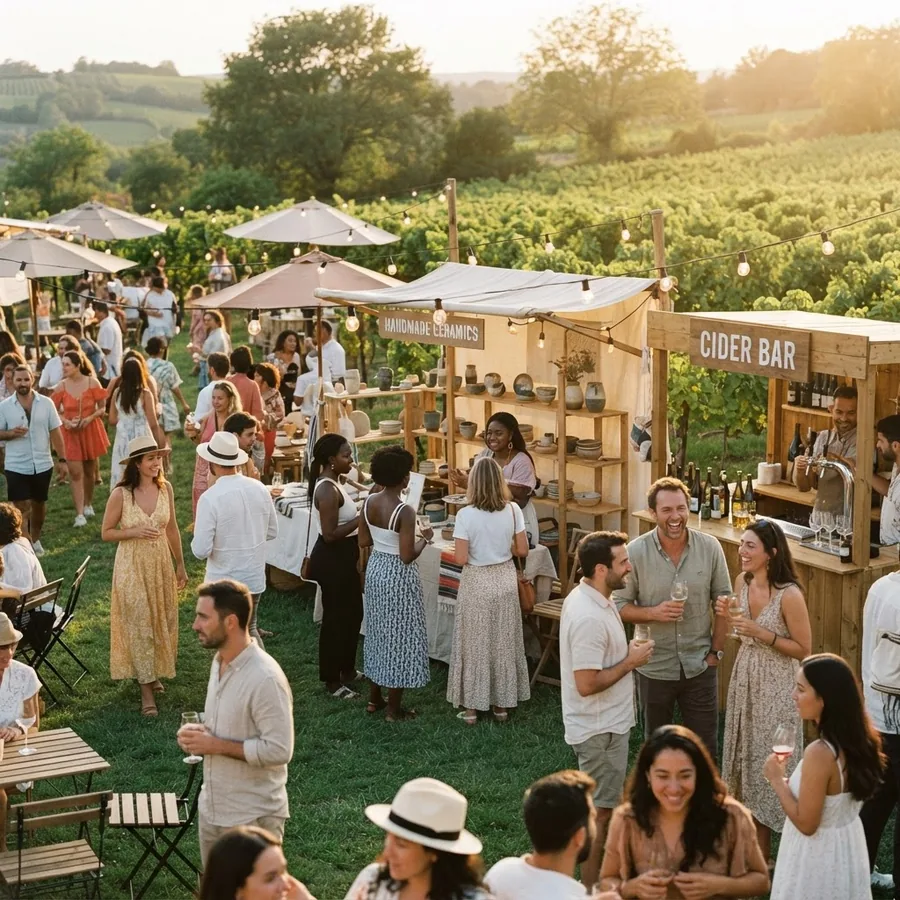
The honest answer about your first fifty guests: almost none of them will come from a stranger seeing a post. They come from people who already know you, and from the people those people bring. Plan for that and a first event fills. Plan for an audience you do not have yet and it does not.
The three circles
Reach for a first event works in three rings, and they convert at wildly different rates.
| Circle | Who | Roughly how many turn up |
|---|---|---|
| People you can name | Friends, family, colleagues, regulars | 1 in 4 |
| Their people | Anyone they forward it to | 1 in 15 |
| Strangers | Social reach, ads, listings | 1 in 200 |
Which means a list of eighty people you can actually name is worth more than an audience of eight thousand who have never met you. For a first event, your contacts list is the single most valuable asset you have.
Personal invitations do the heavy lifting
A message written to one person, using their name, saying why you thought of them, converts several times better than the same message broadcast to a group. It is slower. It is also the difference between forty guests and twelve.
Budget an evening for it. Forty individual messages takes about ninety minutes and will do more for the room than every other thing on this list combined.
What the content is actually for
Video and photos rarely sell a first event to strangers. What they do is make the people already considering it feel confident it is real - that there is a venue, a plan and someone who has clearly done this before.
- One short video showing the space and the format. Answers "what am I walking into?" better than any amount of copy.
- Three or four stills you can reuse everywhere - the link preview, the ticket page, the reminder, the thank you.
- One picture of a person. Rooms are sold by people, not interiors.
This is also the part most first-time hosts skip, then wonder why a good event looked amateur next to a mediocre one with better pictures.
A six week timeline
- Six weeks out: page live, early bird open, personal messages to your top forty. Nothing public yet.
- Four weeks out: announce publicly, with the content. You want visible early sales before strangers arrive, because an empty-looking event sells nothing.
- Three weeks out: early bird closes. Real deadline, real jump in sales.
- Two weeks out: ask the people who have bought to bring someone. The second circle only opens if you ask.
- One week out: reminder to everyone who opened and did not buy. This is usually the second biggest sales day.
- Day before: practical details only - time, parking, what to bring. No selling. Reduces no-shows more than anything else you can do.
Track what worked while you can still use it
Know which invitations turned into tickets. Not for the report afterwards - for the Tuesday three weeks out when sales are slow and you have to decide where to put your last free evening.
It is also the thing that makes the second event easier than the first. You end up with a list of people who came, and a record of which channels actually brought them. Do it twice and you are no longer starting from nothing.